


Personal Injury – Defective Medical Device Claims
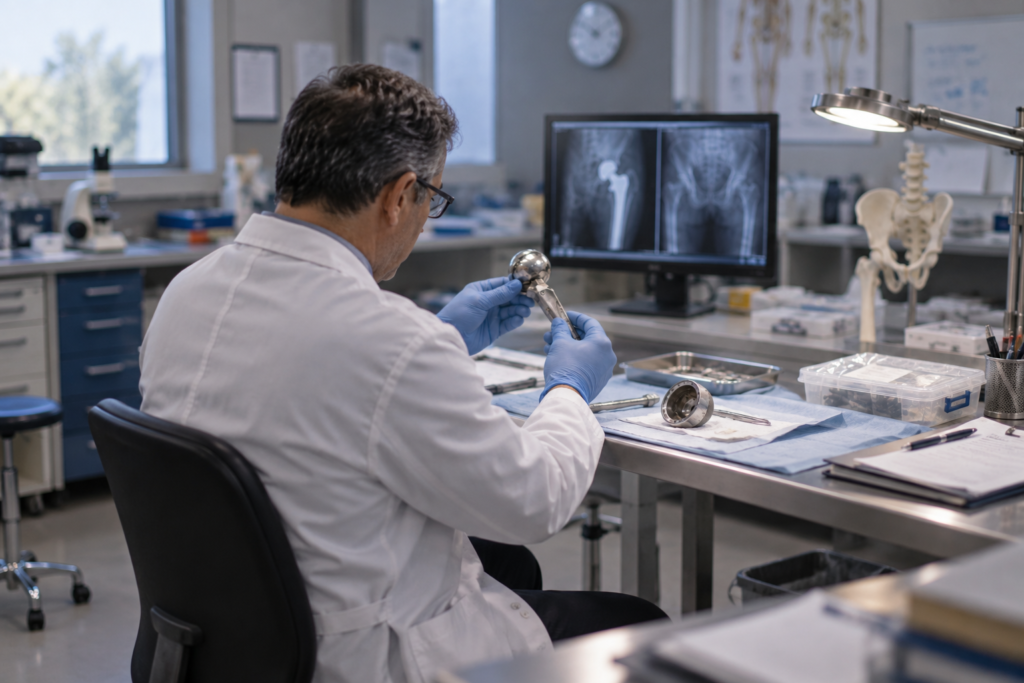
A medical device can improve or save a person’s life, but when a device fails, is defectively designed, is manufactured incorrectly, or lacks adequate warnings, the consequences can be serious. California product-liability law may provide a path to compensation when a legally recognized defect causes injury. The analysis, however, is more complicated than simply showing that a device was involved in treatment or later became the subject of a recall.
A defective medical device claim usually requires careful attention to the exact product, how it was designed and manufactured, what warnings accompanied it, how it was used, what medical complications followed, and whether the alleged defect was a substantial factor in causing the injury. Medical records and the device itself can become central evidence.
California Recognizes Several Product-Defect Theories
California product-liability cases may involve manufacturing defects, design defects, or inadequate warnings. A manufacturing-defect claim generally focuses on whether the particular product departed from its intended design or from other supposedly identical units. A design-defect claim challenges the design itself. A warning claim focuses on whether foreseeable risks required adequate instructions or warnings.
Those theories are related but not interchangeable. A device can be manufactured exactly as intended and still raise a design issue. A sound design can be undermined by a manufacturing error. A product can also perform as designed while posing risks that should have been communicated differently.
The broader article on defective products and California product liability claims explains these theories across consumer and industrial products.
A Bad Medical Outcome Does Not Automatically Mean the Device Was Defective
Medical treatment can involve known complications even when a device performs as intended. A patient can also experience an injury because of surgical technique, infection, disease progression, medication, anatomy, improper use, or another cause unrelated to a product defect.
That distinction matters because product liability is not a substitute for proving causation. The investigation must identify why the device is alleged to be defective and connect that defect to the harm being claimed.
In some cases, both professional negligence and product-liability questions may exist. The article on personal injury and surgical errors discusses why medical-negligence issues require a different analysis from a defective-product claim.
Medical Device Recalls Can Be Important Evidence
The U.S. Food and Drug Administration monitors medical-device safety and publishes recalls and early alerts. A recall can involve correction of a device where it is used or removal of a device from the market. FDA guidance also makes clear that an implanted device recall does not automatically mean the device must be removed from every patient.
A recall may help identify a known issue with a product, model, component, software version, packaging process, or warning. But the existence of a recall does not by itself prove that the recalled condition caused a particular person’s injury.
The reverse is also true. The absence of a recall does not automatically prove that a device was non-defective. A legal claim still depends on evidence specific to the product and injury.
Preserve the Device and Product Information When Possible
When a device is removed during revision surgery or another procedure, it may become important physical evidence. Patients should not assume they will automatically receive the device or that it will be preserved indefinitely. Questions about custody, pathology procedures, manufacturer return programs, and hospital policies can arise quickly.
Useful records can include implant cards, model and serial information, lot numbers, packaging labels, operative reports, imaging, physician notes, recall notices, manufacturer communications, and records showing when and why the device was implanted or removed.
The purpose of preservation is not to interfere with medical care. Treatment decisions belong to the patient and qualified healthcare providers. The legal goal is to prevent relevant evidence from disappearing when preservation can be handled safely and appropriately.
Expert Analysis Is Often Necessary
Medical-device cases can involve engineering, biomaterials, metallurgy, electronics, software, biomechanics, warnings, medical causation, or several disciplines at once. The right expert depends on the alleged failure.
An engineer may evaluate fracture, wear, corrosion, design, or mechanical performance. A physician may address whether the device contributed to the medical condition and what treatment resulted. Other specialists may be needed for manufacturing systems, labeling, software, or regulatory history.
Experts should work from actual evidence rather than assumptions based on the fact that a device failed or was removed.
Potentially Responsible Parties Depend on the Product Chain
A claim may involve the device manufacturer, component manufacturer, distributor, seller, or another party depending on the product and facts. A hospital or medical provider is not automatically liable merely because it used or implanted a device, and a manufacturer is not automatically liable merely because a patient later experienced a complication.
Identifying the correct defendant can require tracing the particular product and determining which entity was responsible for the alleged defect or warning issue.
Damages Can Include Medical and Long-Term Losses
When a defective device causes injury, potential damages can include reasonable medical expenses, revision procedures, rehabilitation, lost earnings, reduced earning capacity, pain, emotional distress, physical impairment, and other losses supported by the evidence.
The article on special and general damages in California personal injury cases explains the difference between measurable economic loss and non-economic harm.
Defective Medical Device Claims in West Covina and Los Angeles County
For patients in West Covina, the San Gabriel Valley, and Los Angeles County, the practical first steps are usually to focus on medical care, identify the exact device involved, gather the relevant records, and preserve product evidence when possible. Checking current FDA safety information may also help determine whether the same device has been associated with a known correction, removal, or safety issue.
A product recall, revision surgery, or device failure can justify investigation, but none automatically establishes legal liability. The claim should be built from the actual defect theory, medical causation, product history, and damages.
