
How Do Hours of Service Come into Play When Dealing with a Truck Accident?
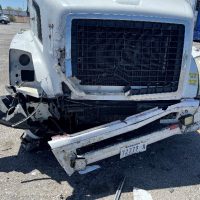
When it comes to truck accidents in the bustling Los Angeles and West Covina areas, the repercussions can be devastating. These incidents often result in severe injuries, property damage, and sometimes even fatalities. One of the critical factors that frequently plays a significant role in truck accidents is the number of hours a truck driver spends behind the wheel. The Federal Motor Carrier Safety Administration (FMCSA) has established regulations, known as “hours of service” (HOS) rules, to govern the amount of time a commercial truck driver can operate their vehicle. Understanding these regulations is crucial for anyone involved in or affected by a truck accident.
Defining Hours of Service (HOS) Regulations
The FMCSA sets specific guidelines regarding the number of hours a truck driver can be on duty and behind the wheel. These regulations aim to prevent driver fatigue, a leading cause of accidents on our roads. Key HOS regulations include:
1. 11-Hour Driving Limit: A truck driver is limited to 11 hours of driving time within a 14-hour workday. Following the 11 hours, they must take a break of at least 10 consecutive hours.
2. 14-Hour On-Duty Limit: A truck driver may not be on duty (which includes driving and non-driving activities) for more than 14 consecutive hours, after which they must take a mandatory 10-hour break.
3. Weekly Limits: A driver must not exceed 60/70 hours on duty in 7/8 consecutive days. This limit ensures that drivers get adequate rest and do not push their limits.
4. 30-Minute Break: A driver must take a 30-minute break after driving for 8 consecutive hours.
5. Sleeper Berth Provision: This provision allows for split rest periods, where a driver can split their required 10-hour break into two segments, one of at least 7 hours in the sleeper berth and the other of at least 2 hours in the sleeper berth or off-duty.
Understanding these regulations is crucial when dealing with a truck accident case, as violations of HOS rules can significantly impact the outcome and liability.
Why HOS Regulations Matter in Truck Accident Cases
HOS regulations are designed to ensure the safety of not only the truck drivers but also everyone sharing the road. Violations of these regulations can lead to driver fatigue, which impairs a driver’s judgment, reaction time, and overall ability to operate their vehicle safely. When a truck driver exceeds their allowable driving hours and causes an accident, they may be held liable for negligence.
For example, consider a scenario where a truck driver, in a rush to meet a delivery deadline, surpasses the 11-hour driving limit. Fatigued and unable to react quickly, they fail to stop in time, causing a catastrophic rear-end collision with a passenger vehicle. In such cases, the violation of HOS regulations can be a pivotal point in determining liability.
The Role of an Attorney in Truck Accident Cases
When you or a loved one is involved in a truck accident, it’s crucial to have an experienced attorney by your side. An attorney with expertise in truck accident cases will thoroughly investigate the accident, including reviewing the driver’s logbook and electronic logging devices, to determine if HOS regulations were violated. This investigation can be pivotal in establishing liability and pursuing compensation for your injuries and damages.
In our next blog post, we will delve deeper into the consequences of HOS violations and how they can affect your truck accident case. If you are in the Los Angeles or West Covina area and need legal assistance in a truck accident case, don’t hesitate to reach out to the Law Firm of Oscar Ischiu, Esq. Our experienced team is here to guide you through the complexities of truck accident litigation and ensure you receive the compensation you deserve. Stay tuned for more valuable insights in our upcoming blog posts.
Consequences of HOS Violations in Truck Accident Cases
In our previous blog post, we discussed the importance of Hours of Service (HOS) regulations in the context of truck accidents. Now, let’s delve deeper into the consequences of HOS violations and how they can affect your truck accident case. For those in the Los Angeles and West Covina areas seeking legal assistance, understanding the intricacies of these violations is crucial for pursuing the compensation you rightfully deserve.
Understanding HOS Violations
HOS regulations are in place to ensure that truck drivers get the necessary rest to operate their vehicles safely. When these rules are violated, the consequences can be severe. Violations of HOS regulations often occur in the following ways:
- Exceeding Maximum Driving Hours: As mentioned in our previous post, truck drivers are allowed a maximum of 11 hours of driving within a 14-hour workday. When a driver exceeds these limits, they risk driving while fatigued, which can lead to accidents.
- Falsifying Logbooks: In some cases, truck drivers may resort to falsifying their logbooks to hide HOS violations. They may alter the records to show compliance when, in reality, they’ve been on the road for longer hours. This deceptive practice is illegal and can have serious legal consequences.
- Ignoring Mandatory Breaks: HOS regulations mandate that drivers take specific breaks during their shifts. Ignoring these mandated breaks can lead to fatigue, impairing a driver’s ability to react to road conditions and making accidents more likely.
Consequences for Truck Drivers
Truck drivers who violate HOS regulations can face serious consequences. These may include:
- Fines and Penalties: Violating HOS regulations can result in hefty fines for the driver and the trucking company. These fines can vary depending on the severity of the violation.
- Loss of Commercial Driver’s License (CDL): Repeated HOS violations or egregious violations can lead to the suspension or revocation of a truck driver’s CDL. This can effectively end their career as a commercial driver.
- Civil and Criminal Liability: If a truck accident occurs as a result of HOS violations, the driver and the trucking company can be held civilly and criminally liable for any injuries or damages caused.
Impact on Your Truck Accident Case
When you’re involved in a truck accident, it’s essential to have a skilled attorney who understands the nuances of HOS regulations. The consequences of HOS violations can be vital in establishing liability in your case. For example, suppose the driver who caused the accident exceeded their driving hours, leading to fatigue and a subsequent collision. In such instances, your attorney can use evidence of HOS violations to demonstrate negligence and seek compensation for your injuries, medical bills, and property damage.
Moreover, understanding the importance of these regulations can help build a strong case for punitive damages. Punitive damages are awarded to punish the defendant for willful misconduct or gross negligence. HOS violations, especially when accompanied by falsified records, can be compelling evidence in seeking punitive damages in your truck accident case.
Contact the Law Firm of Oscar Ischiu, Esq. for Experienced Legal Representation
If you or a loved one has been involved in a truck accident in the Los Angeles or West Covina areas, it’s crucial to have the right legal team by your side. At the Law Firm of Oscar Ischiu, Esq., we have a proven track record of handling complex truck accident cases and holding negligent parties accountable. Our experienced attorneys understand the significance of HOS violations and how they can impact your case.
In our upcoming blog post, we’ll discuss how to gather evidence of HOS violations and build a strong case. We’re committed to helping our clients seek the compensation they deserve. Contact us today for a consultation and let us guide you through the legal complexities of your truck accident case.
Gathering Evidence of HOS Violations in Your Truck Accident Case
In our previous blog posts, we’ve explored the importance of Hours of Service (HOS) regulations and the consequences of their violations in truck accident cases. Now, let’s delve into the crucial aspect of gathering evidence to support your claims of HOS violations and negligence in your truck accident case.
-
Reviewing Driver’s Logbook and Electronic Logging Devices (ELDs)
One of the primary sources of evidence in HOS violation cases is the driver’s logbook. These records, whether in a traditional paper format or maintained electronically through ELDs, document a driver’s daily activities, including driving hours, breaks, and off-duty time. Skilled attorneys can carefully examine these logs to identify discrepancies or signs of falsification.
For instance, if the logbook or ELD data show that a driver has exceeded the 11-hour driving limit or has not taken mandatory breaks, it can be compelling evidence of HOS violations. Your attorney will work to uncover any inconsistencies and cross-reference these records with other evidence in the case.
-
Witnesses and Testimony
Eyewitnesses who were present at the scene of the accident or who observed the driver’s behavior before the accident can provide valuable testimony. Witnesses can corroborate your claims regarding the driver’s behavior and demeanor, such as signs of fatigue or exhaustion.
Additionally, coworkers, supervisors, or fellow drivers within the trucking company may have knowledge of HOS violations and could be willing to provide testimony. They might reveal instances of pressure from the company to meet delivery deadlines at the expense of HOS regulations.
-
Data from the Truck’s GPS and ELDs
Modern trucks are equipped with GPS and ELDs, which record the vehicle’s speed, location, and engine status. These data sources can help establish whether the driver exceeded speed limits or spent more time on the road than permitted by HOS regulations.
By analyzing this data, your attorney can build a timeline of the driver’s activities leading up to the accident, providing insight into their compliance with HOS regulations. Discrepancies between the data and the driver’s logbook can be strong evidence of violations.
-
Expert Witnesses
In complex truck accident cases involving HOS violations, expert witnesses can be invaluable. These experts, such as accident reconstruction specialists or fatigue experts, can provide professional assessments and opinions on the role of HOS violations in the accident. They can help establish a causal link between the violations and the collision, reinforcing your claims of negligence.
Seeking Compensation for Your Truck Accident Injuries
Successfully proving HOS violations in your truck accident case can be instrumental in seeking compensation for your injuries, medical bills, lost wages, and property damage. In some cases, punitive damages may also be pursued, punishing the at-fault party for their egregious behavior.
If you find yourself in a truck accident situation in the Los Angeles or West Covina areas, don’t hesitate to contact the Law Firm of Oscar Ischiu, Esq. Our experienced team of attorneys specializes in truck accident cases and understands the importance of HOS regulations in building a strong case. We are committed to helping you secure the compensation you deserve.
Navigating the complexities of a truck accident case, especially when HOS violations are involved, can be challenging. Our attorneys are here to provide expert legal guidance, ensuring that your rights are protected, and justice is served. Contact us today for a consultation, and let us stand by your side throughout the legal process.
